Drywall repair
Drywall repair
Read more403 Navaho Dr, Frederick, MD 21701

Finishing in Frederick & Central MD
The worst outcome on a repair is a perfect patch that a painter then has to make disappear. Doing both halves ourselves means there is no handover, and no argument about whose edge it is.
Quick answer
A small patch repaired and spot-painted is $240 to $620 per visit. The same repair with the wall painted corner to corner is $380 to $980, and a full repair list with the room repainted runs $780 to $2,400. Doing both halves in one job is cheaper than two visits and it means one crew owns the finished wall, which is worth more than the saving.
The work
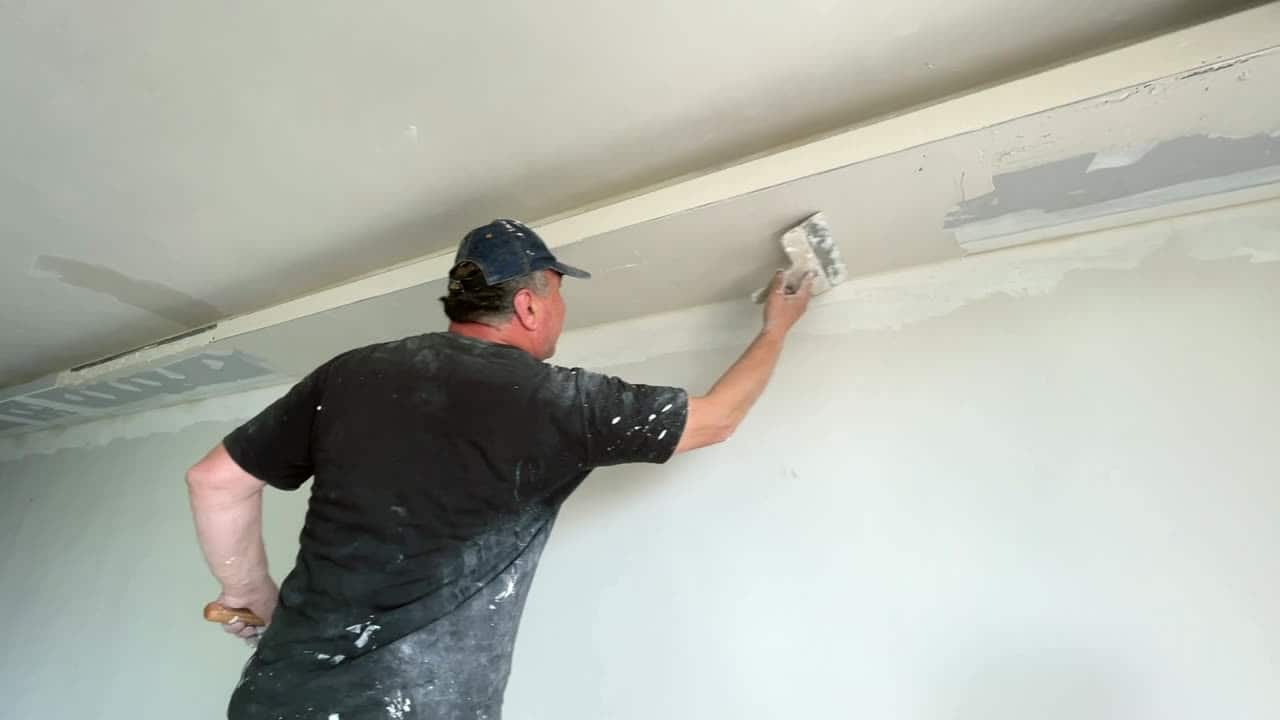
Most drywall repairs end at primer, and then somebody else paints. That handover is where the finish usually goes wrong, because the two trades judge the work differently: a drywall crew calls a repair finished when it is flat and sanded, and a painter finds out whether it is finished when the first coat goes on and the light hits it. We do both, which removes the handover and means the person who sanded the patch is standing there when the paint reveals whatever it reveals.
The practical difference is in the decisions. Where a repair lands in the middle of a wall, the honest answer is almost always to paint corner to corner rather than spot-paint, because spot painting flashes on anything above a matte sheen and sometimes even on matte if the existing paint has aged. Where a wall has had several repairs, the honest answer may be to skim the whole wall first and then paint it. Those are judgement calls that get made properly when one crew owns the finished result.
We are also honest about colour. Matching an existing colour from a chip is unreliable on paint that has been on a wall for five years and faded unevenly, so where there is no leftover tin we will say that spot-matching is a gamble and recommend doing the wall or the room. And where you have a tin in the basement, we will use it, tell you if it has gone off, and stir it properly rather than pouring the separated top layer onto your wall.
Priced as one job. Doing the repair and the paint together costs less than two separate visits, and the result is one person's responsibility rather than two.
Ranges, not quotes. Real numbers come from a walkthrough — access, condition, height and finish level move a price more than square footage does. Estimates are free and in writing.
Get your numberFull repair and paint cost guide for MarylandPrefer to just talk?
Call and describe the job. You’ll get a straight answer on whether it’s something we do and roughly what it runs.
(301) 524-1729
Self-performed
Drywall repair and painting
What’s included
Written into the estimate, not assumed. If something on your job is not on this list, it gets priced and named before anyone starts.
Cut back to sound board, three coats, texture matched. Owning the paint afterwards is no excuse for a quicker patch underneath it, and a bad patch shows through good paint.
Flat and matte paint often takes a spot repair invisibly. Eggshell, satin and anything glossier almost never do. We tell you which case you are in before we start, not after you have seen it.
Stain-blocking primer over water marks, high-build where the surface is uneven, standard where it is sound. Fresh compound and painted wall drink paint at different rates and primer is what equalises them.
Brush-cut edges at ceilings, corners and trim, then two rolled coats. One coat over a repair always reads as one coat over a repair, whatever the tin promises.
Your leftover tin used where it is still good, scanned and matched where it is not, and a straight warning when matching five-year-old faded paint from a chip is a gamble rather than a match.
Furniture moved and returned, floors protected, fixtures refitted and the dust cleaned rather than left. A repair that ends with you hoovering compound off the skirting is not finished.
On the job
What the trade looks like at each stage. Photos of our own recent jobs come out at the walkthrough, on the actual house.


Straight answers
Not covered here? Call and ask — you’ll get a real answer, not a “depends on the job”.
On a flat or matte wall with reasonably recent paint, usually yes, and we will do exactly that. On eggshell, satin or anything with gloss, spot painting flashes — the repaired area reflects light differently and you see a halo around it in certain light. We will tell you honestly which situation you are in. If the answer is corner to corner, it is because the alternative would leave you looking at it.
We will scan and match at no charge, and if you have the original tin we will use it after checking it has not gone off. The honest caveat is that paint on a wall for five years has faded, and often unevenly, so a perfect match to the original formula can still read as a slightly different colour next to it. Where that risk is real we say so and recommend painting the wall or the room.
Usually over two days rather than one, and that is the right way round. Compound needs real drying time between coats, and painting over compound that is not fully dry gives you shrinkage cracks and a patchy sheen within weeks. So it is typically repair and texture on day one, then sand, prime and paint on day two. Larger lists we schedule as a block so the whole thing is finished in one go.
Same crew, same visit
Most finishing jobs are two or three of these at once, which is why they are priced and scheduled together rather than as separate call-outs.
From the field
Longer answers than a quote page has room for — how the work fails, what putting it right actually involves, and when waiting is the honest call.
Sources worth your time
None of these are ours. They are the offices and standards bodies that set the rules we work to, so you can verify what we say rather than take it.
Any house built before 1978 has lead rules attached to disturbing paint. This is the rule itself.
OpenCheck any Maryland contractor's licence before you sign. Ours is on file with the Commission.
OpenWhere the residential-construction standards and material research behind these decisions are published.
Open
Talk to the people doing the work
Tell us what needs doing. We’ll walk it with you, sequence every trade it touches, put the price in writing, and leave you to decide.
Get a quote
Two short steps. No obligation, no pressure — just a clear number and a straight answer about what the job involves.


Tick as many as you like. Most jobs are two or three of them at once, and I sort out the detail when I come and look. Nobody gets turned away for choosing the wrong box.


