Texture matching
Texture matching
Read more403 Navaho Dr, Frederick, MD 21701

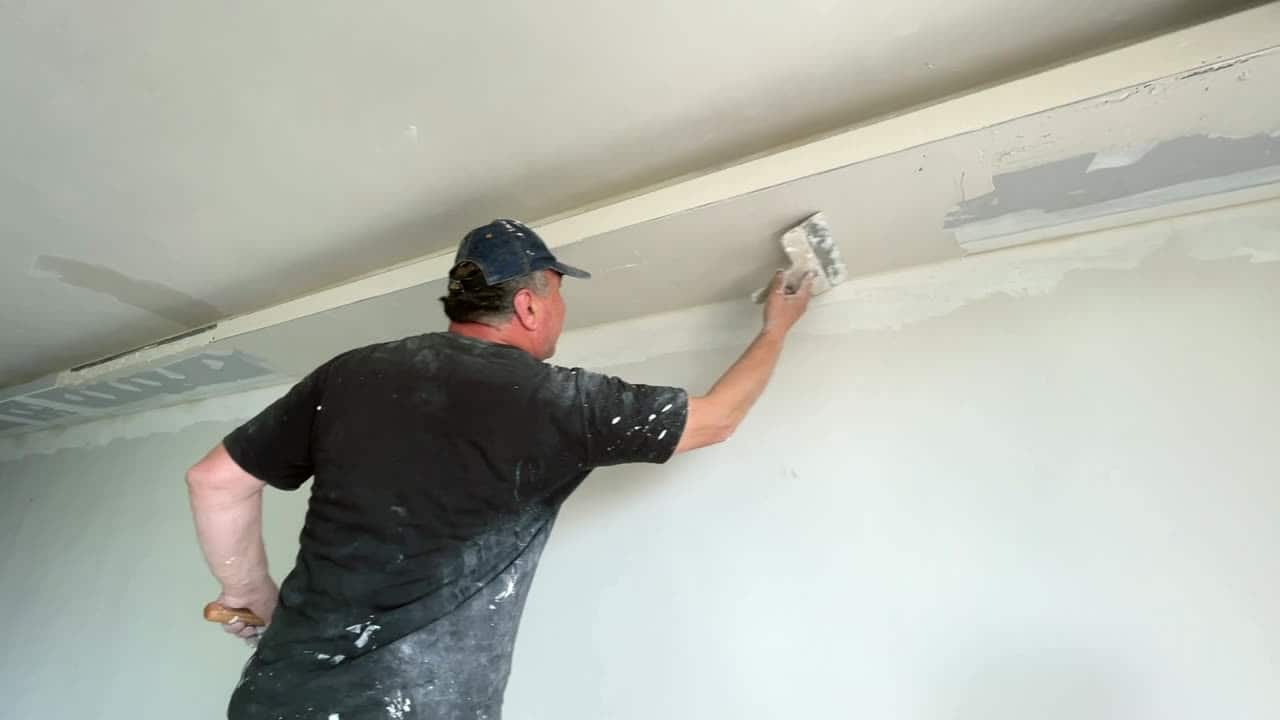
Finishing in Frederick & Central MD
A level 4 finish is right for most walls in most houses. Level 5 is for the walls where the light runs along the surface and shows you everything a level 4 was allowed to hide.
Quick answer
It is quoted as an upgrade on the level 4 finish underneath it: $1.10 to $2.00 per square foot for the level 4, plus $0.50 to $1.20 per square foot for the level 5 coat. A ceiling at level 5 is $2.20 to $4.00 per square foot because overhead finishing is slower. A single accent wall done to level 5 is usually $320 to $780, which is often the sensible way to buy it.
The work
The levels of drywall finish run from 0 to 5 and they are a trade standard, not a marketing ladder. Level 4 — taped, three coats over the joints and fasteners, sanded — is the normal finish for a painted wall and it is genuinely correct for most rooms. Level 5 adds a thin skim of compound over the entire surface, not just the joints, so the whole plane has one uniform texture and porosity before the primer goes on.
The reason to pay for it is light and sheen. Under a level 4 finish the joints are flat but they are slightly different in porosity from the board face between them, and three things expose that: raking light from a window or a wall washer, a dark or saturated paint colour, and any sheen above matte. On those walls a level 4 shows the joint pattern as faint bands — what the trade calls photographing — and no amount of extra paint hides it, because paint follows the surface rather than correcting it. A level 5 skim removes the difference the paint would have revealed.
We are straight about when you do not need it. A bedroom with a matte finish and light coming from the ceiling will look perfect at level 4, and spending the upgrade there buys nothing. The walls worth it are the long hallway with a window at the end, the stairwell, the great room with clerestory glazing, a wall going charcoal or deep navy, and any ceiling in a room with low side lighting. We will walk the house and tell you which walls those are rather than quoting level 5 throughout.
Quoted as an upgrade on top of a level 4 finish, because that is what it is. Priced by area, since the coat covers the whole surface rather than the joints.
Ranges, not quotes. Real numbers come from a walkthrough — access, condition, height and finish level move a price more than square footage does. Estimates are free and in writing.
Get your numberFull level 5 skim cost guide for MarylandPrefer to just talk?
Call and describe the job. You’ll get a straight answer on whether it’s something we do and roughly what it runs.
(301) 524-1729
Self-performed
Level 5 skim coat
What’s included
Written into the estimate, not assumed. If something on your job is not on this list, it gets priced and named before anyone starts.
Tape, bed and skim coats over joints and fasteners, sanded flat, before the level 5 coat goes anywhere. A skim over sloppy taping is an expensive way to get a smooth version of the same problem.
Compound applied over the whole plane — board face as well as joints — so porosity and texture are uniform. That uniformity is the entire point of the level, and it is why it costs by area.
A work light held low and along the wall during sanding, which is the condition the finished wall will be judged in. Sanding under overhead light is how a level 5 ends up looking like a level 4.
Vacuum-assisted sanding, sealed openings and floor protection. A full-surface skim generates far more sanding dust than a joint finish, so the containment matters more, not less.
A primer chosen to match the finish coat and the sheen, rolled rather than sprayed where the wall will carry a gloss. The primer is part of the finish on a level 5, not a formality before it.
We walk the rooms and name the walls that need it — the hallway with the window at the end, the stairwell, the dark accent wall — and tell you where level 4 is genuinely the right answer.
On the job
What the trade looks like at each stage. Photos of our own recent jobs come out at the walkthrough, on the actual house.


Straight answers
Not covered here? Call and ask — you’ll get a real answer, not a “depends on the job”.
Level 4 means the joints and fasteners get three coats and get sanded flat — correct for most painted walls. Level 5 adds a thin skim of compound over the entire surface, so the whole plane has one texture and one porosity. The difference is invisible under overhead light on a matte wall and very visible under light running along a wall, on dark colours, and on anything with a sheen.
No, and we will not quote it that way. The walls that earn it are the ones where light rakes across the surface — a hallway with a window at the end, a stairwell, a room with clerestory or low side glazing — plus any wall going a dark saturated colour and any wall getting a satin or gloss finish. A matte-finished bedroom lit from the ceiling looks perfect at level 4 and the upgrade there buys you nothing.
A skim coat will fix the texture and porosity across a surface, and it will take out minor undulation. What it will not fix is framing that is out of plane or board hung over a bowed stud, because a thin coat of compound follows the surface it is laid on. Where a wall is genuinely out, the honest fix is at the framing or the board, and we would rather say that than take money for a skim that leaves the wave in place.
Same crew, same visit
Most finishing jobs are two or three of these at once, which is why they are priced and scheduled together rather than as separate call-outs.
From the field
Longer answers than a quote page has room for — how the work fails, what putting it right actually involves, and when waiting is the honest call.
Sources worth your time
None of these are ours. They are the offices and standards bodies that set the rules we work to, so you can verify what we say rather than take it.
Check any Maryland contractor's licence before you sign. Ours is on file with the Commission.
OpenWhere the residential-construction standards and material research behind these decisions are published.
OpenDamp drywall, mould and construction dust are air-quality problems as much as cosmetic ones. Plain guidance from the EPA on both.
Open
Talk to the people doing the work
Tell us what needs doing. We’ll walk it with you, sequence every trade it touches, put the price in writing, and leave you to decide.
Get a quote
Two short steps. No obligation, no pressure — just a clear number and a straight answer about what the job involves.


Tick as many as you like. Most jobs are two or three of them at once, and I sort out the detail when I come and look. Nobody gets turned away for choosing the wrong box.


